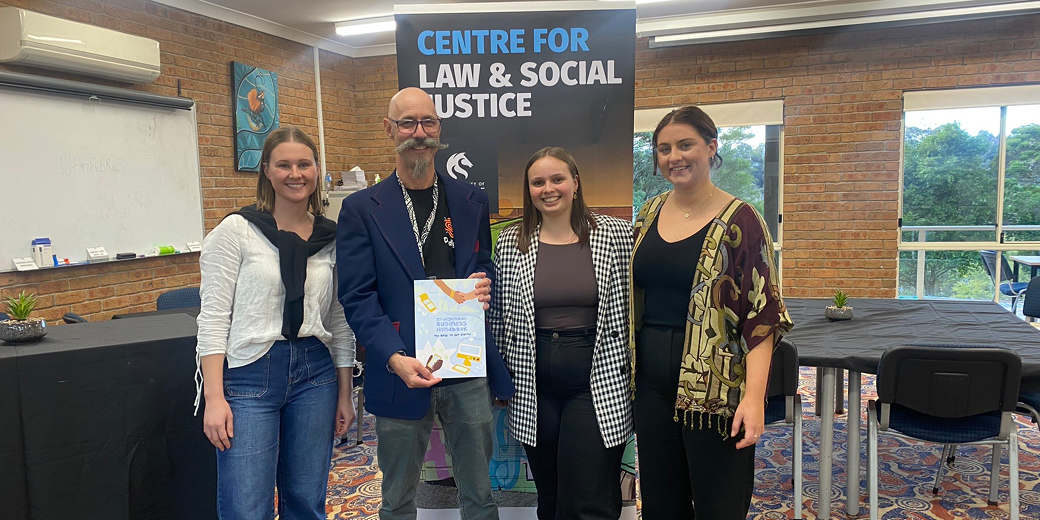
Ian Aldridge, Principal at Progressive Legal, recently opened a sole practice. We asked Ian to reflect on his recent personal experience to provide tips for lawyers who have also decided to open a small practice.
Tip 1 – Watch the Finances
Yes, you’re a lawyer and not an accountant. But no one’s going to benefit from you taking the plunge if you go out the door backwards in your first 6-12 months. Keep a close eye on your figures because they’re going to make or break it. Keep it lean and watch your outgoings.
Start a budget for all your expenses. I think a crucial exercise we did in the Legal Practice Management Course for sole practitioners was to sit down and work out exactly how much it takes to keep the “lights on and the doors open”. Put down every conceivable cost and work out on a monthly basis what you have to bill in fees to at least break-even. As scary as it is, it makes you realise what you need to do to stay above water.
Keep the business and personal bank accounts separate so there’s a clear delineation between the business and your personal finances and put money away for tax and professional indemnity insurance. Get a good accountant/bookkeeper to help you. Consider opening a trust account to avoid having to carry disbursements until the end of the matter by getting monies paid up-front.
Tip 2 – Get your systems in place
Don’t worry, I started with a Hotmail address, Word-created invoices and spreadsheets. However, I wish I’d started straight away using Google Drive for email and doc management, Affinity Live for my Customer Relationship Management (CRM), Asana for my tasks/project management and Xero for my accounting. It’s cheap as chips for getting started and they integrate with each other.
Unfortunately, no one system does everything well but if you set things up straight away, you don’t have the unfortunate exercise that we now have to do which is going through all our emails, documents, invoices and reconciling. Yep, painful and time consuming.
Tip 3 – Surround yourself with the right people and get into the right mindset
I didn’t realise how important this was. Going out on your own is an incredibly bold and courageous step. It’s also a mental and emotional challenge. A lot might be questioning you (including yourself) – that’s natural. It might feel like you’re burning the boats and now swimming into dark waters. Don’t be afraid to reach out to fellow colleagues that are either doing the same thing or have gone before you, for advice or even just to chat.
The instability caused by a fluctuating income stream can be very unsettling, especially if you’re coming straight from a full-time job. Whereas barristers have chambers with colleagues to chat to and bounce ideas off, sole practitioners usually do not and have to deal with things mostly on their own. Remember to constantly keep positive, surround yourself with positive people and take time to keep physically active with a routine to keep mentally well. Oh, and find a mentor or two. You’d be surprised how valuable it is. The NSW Law Society runs a mentoring program if you want another sounding board.
Tip 4 – Don’t take on matters where you’re not comfortable
You’ll be tempted to say yes to everything that walks in the door. The dangers are obvious from a risk management perspective. I’m not saying don’t do anything you haven’t done before, just limit yourself to areas where you know at least you’ll be able to find out the information you need to provide the right advice and be able to do the work competently. Get clear, detailed and proper instructions – it’s easy to get into a trap of not doing this, especially when things get busy and you’re short on time.
Tip 5 – Get your message really clear on what makes you different
The fact is that most clients see lawyers as a necessary evil and are completely scared of even talking to a lawyer for fear of how much it is going to cost. Be really clear and upfront with them about costs, talk about money early and often with your clients, think about how you are going to communicate effectively with them and be quick to manage their expectations. Make sure the first thing you do is send a costs agreement and disclosure and ensure the agreement defines what the scope of work is and what you are not going to do (e.g. financial advice).
Pick your niche and make your message strong and clear. Find what you’re passionate about, then live and breathe it. You’ll become the “go-to person” in that area if you do.






































![How to handle Direct Speech after Gan v Xie [2023] NSWCA 163](https://images4.cmp.optimizely.com/assets/Lawyer+Up+direct+speech+in+drafting+NSW+legislation+OCT232.jpg/Zz1hNDU4YzQyMjQzNzkxMWVmYjFlNGY2ODk3ZWMxNzE0Mw==)